Your team does not need another speech.
Players need tools they can use. Coaches need simple ways to respond when something feels off. I help teams turn good conversations into habits that last.
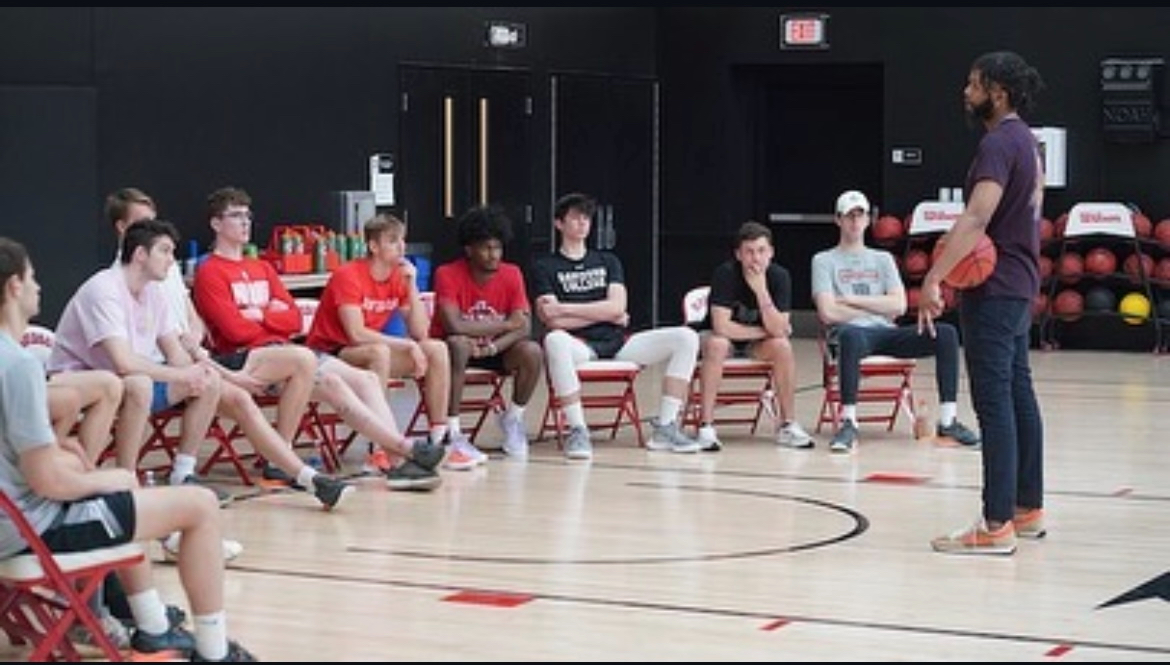
One session or ongoing support.
I keep the work practical and fit it to your team, age group, and season.
Team workshops
Real talks about leadership, confidence, conflict, stress, accountability, communication, and team culture.
Coach support
Simple tools for hard talks, warning signs, player check-ins, boundaries, and knowing when to get more help.
Ongoing team support
Practice visits, player check-ins, leadership groups, coach calls, and follow-up during the season.
Mental wellness training
Hands-on training for coaches on what to notice, what to say, what not to say, and what to do next. Ask about AthleteREADY.
Notice it. Talk about it. Follow up.
A workshop can start the conversation. Ongoing touchpoints help the work stay useful when the season gets busy, pressure rises, or something new comes up.
1. Notice it
We pay attention to what is happening with the team: stress, communication, leadership, confidence, conflict, or a player who may need more support.
2. Talk about it
Players and coaches get simple language and practical tools for the moments they are actually dealing with, not a generic speech.
3. Stay connected
Support can continue through touchpoints such as coach calls, player check-ins, leadership groups, practice visits, or brief follow-ups during the season.
4. Follow up
We check what is working, what has changed, and what the team needs next. The goal is support that can adjust with the season instead of ending after one session.
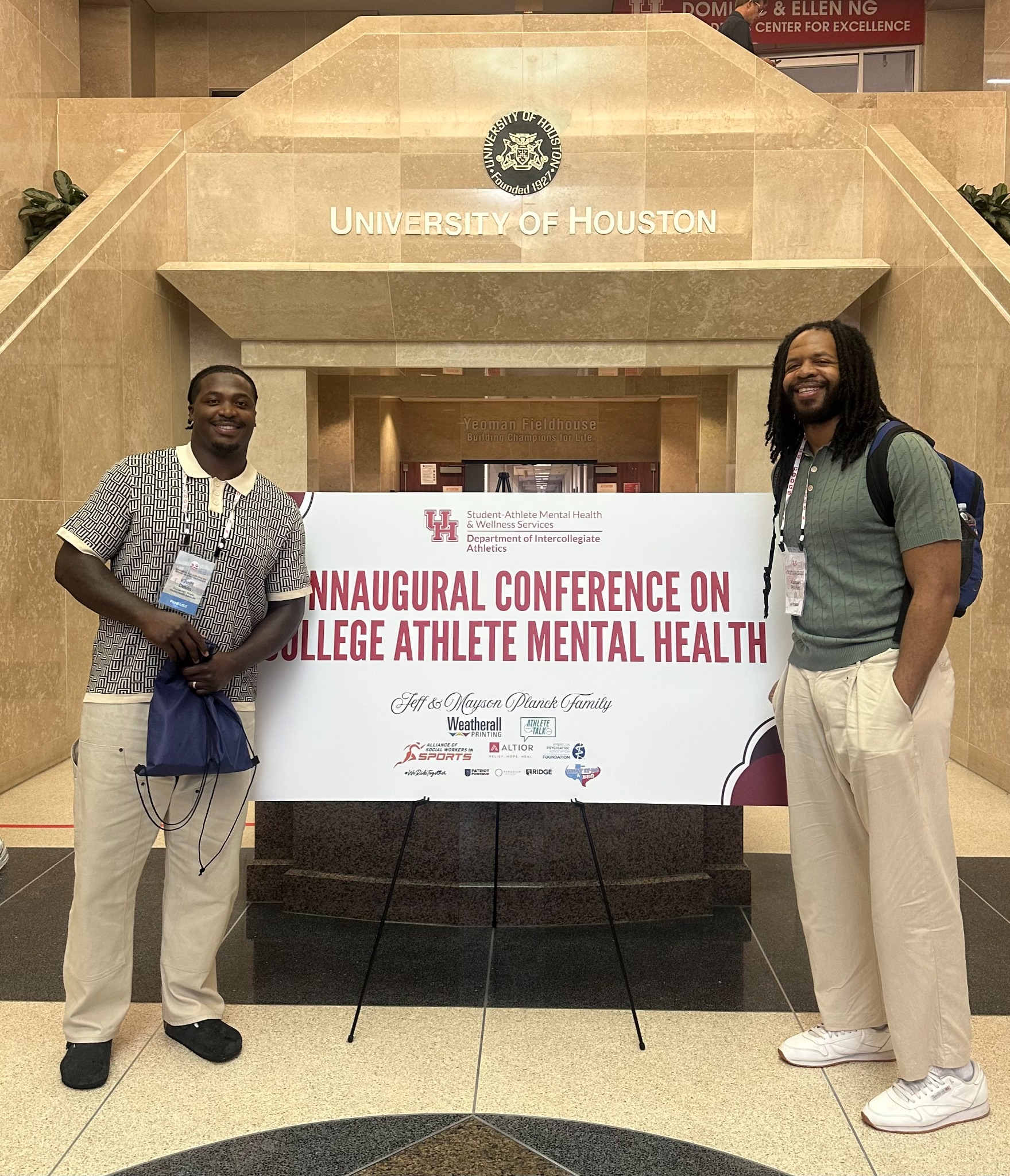
Good support keeps growing.
The pressure on athletes, coaches, and families changes. I stay connected to the sport mental health field, learn from other professionals, and bring useful ideas back to the teams I serve.
The goal is not to turn coaches into therapists. It is to help them feel more ready when a player needs support.
Tell me what your team is dealing with.
Share the age group, the biggest concern, and what you want to improve. I will suggest a good place to start.