You can want to win. And still need support.
Pressure can show up as worry, anger, injury, family stress, or feeling like you have to keep everything in. I work mainly with athletes and teens. I also support men and other high performers who are used to carrying a lot and keeping it moving.
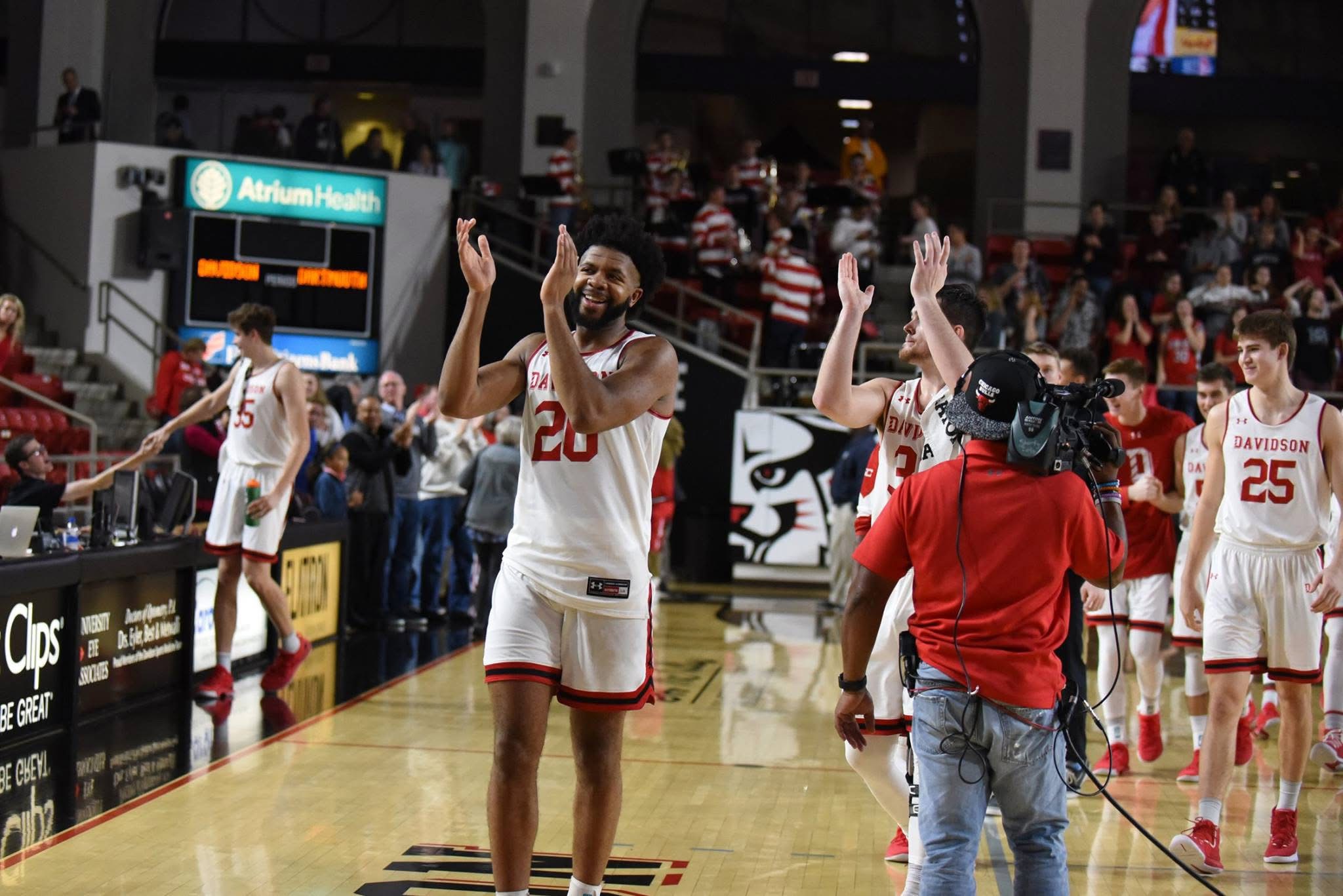
I know what high pressure feels like.
I have lived the expectations, the juggling, and the pressure to keep performing even when life feels heavy.
Three ways I can help.
You do not need the perfect label. Pick what sounds closest to what is happening. We can sort out the rest together.
Therapy
For anxiety, grief, anger, injury, burnout, family stress, relationships, or anything making everyday life feel harder.
Learn about therapy →02Performance Coaching
For athletes who want better focus, confidence, routines, leadership, and a better way to bounce back after mistakes.
Learn about coaching →03Teams & Schools
For coaches and schools that want stronger team culture, better communication, and a clear plan when a player needs help.
Bring this to my team →I know what it is like to perform under pressure.
I also know pressure does not stay within your arena.
Basketball was not just what I did. It was how I knew myself.
For as long as I can remember, basketball was part of my identity. I played Division I basketball, became a team captain, and learned what it was like to carry expectations from sport, school, relationships, and myself at the same time. Then four knee surgeries changed the plan.
What came after was harder than I expected. I was trying to figure out who I was without the thing that had shaped most of my life. That season eventually led me toward the work I do now.
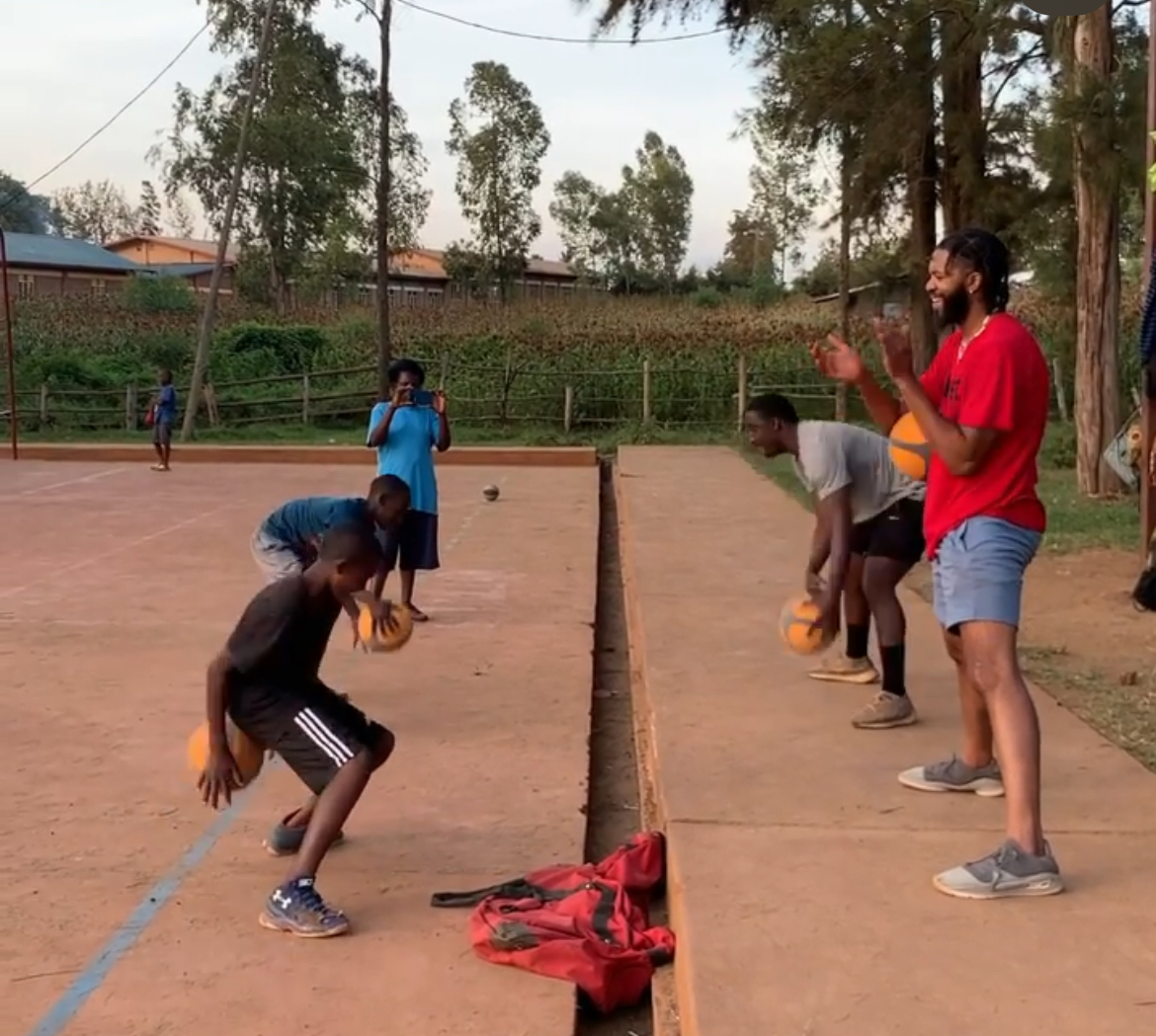
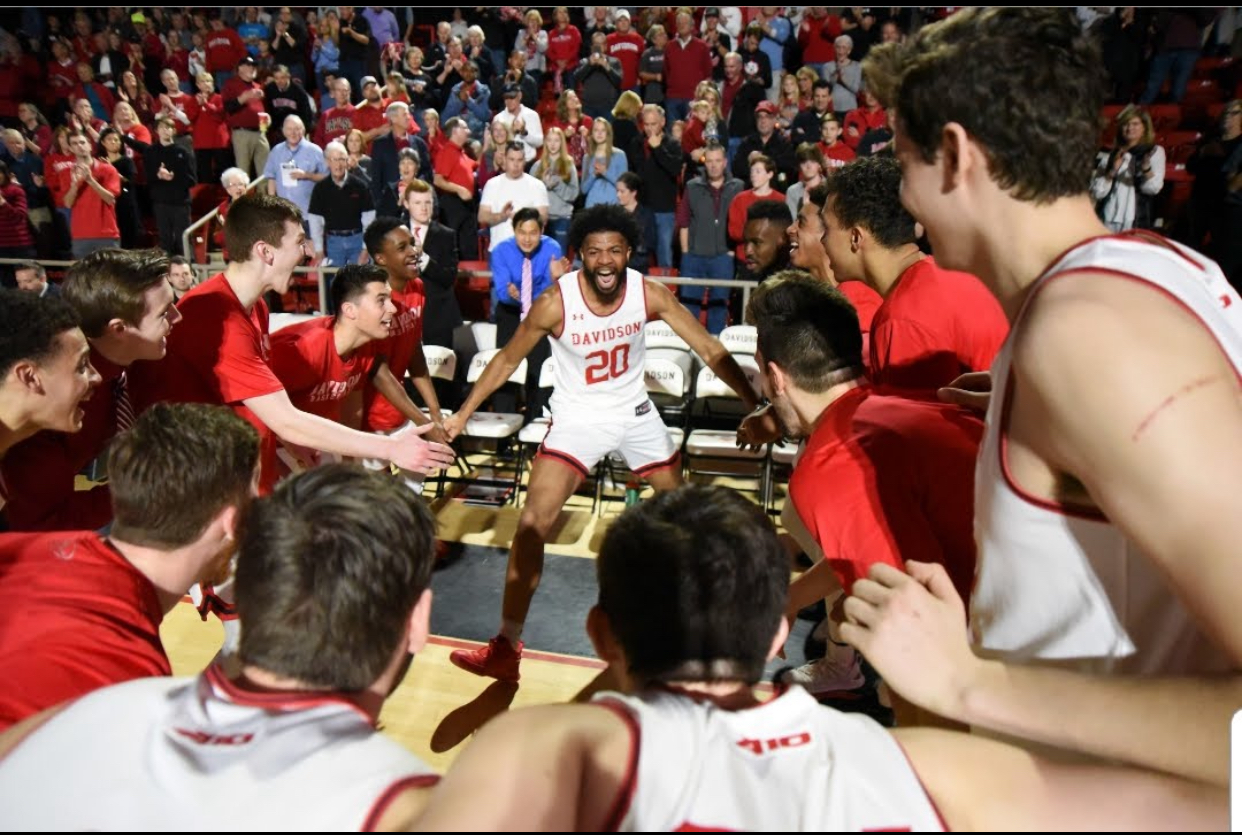
I lived the identity shift
I know what it feels like when the role you worked for changes before you are ready.
I looked for support too
I went through my own process of trying to understand what I was feeling and what came next.
I built what I wish I had
Support that understands the person, the pressure, the identity, and what happens when expectations start to pile up.
Your players are people first.
You can usually tell when a player is not themselves. Knowing what to say next is harder. I help coaches and schools have better conversations and know when more support is needed.
Notice what is going on
We look at team habits, communication, leadership, and where stress shows up.
Know what to say
Coaches get simple ways to check in, set limits, and support players without trying to become therapists.
Give players useful tools
Players practice skills for stress, confidence, conflict, focus, leadership, and asking for help.
Follow up
One good talk can help. Follow-up is what helps the work stick when the season gets hard.
You do not have to know exactly what you need.
Tell me what is happening. I will help you figure out a good next step.